
Leading Selection of Gas Line Service Products for Every Job
Find versatile and durable tools ideal for a wide range of gas line service applications to improve your workflow.
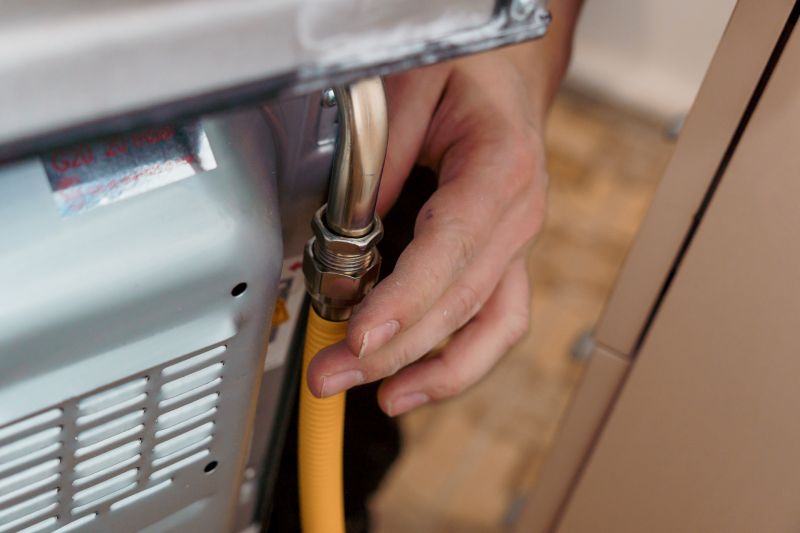 Gas line service is a critical aspect of maintaining and ensuring the safety and functionality of natural gas systems in residential, commercial, and industrial settings. Proper tools and equipment are essential for tasks such as installation, repair, inspection, and maintenance of gas lines. Whether working on underground pipelines or indoor gas supply lines, having the right products can help facilitate efficient and safe work practices. These tools are designed to handle the unique challenges associated with gas line work, including high-pressure systems and the need for precise fittings and connections.
Types of Products For Gas Line Service
Pipe Wrenches
Heavy-duty wrenches designed for gripping and turning pipes and fittings during installation and repair.
Leak Detectors
Devices used to identify leaks in gas lines, ensuring safety and proper sealing.
Pipe Cutters
Tools for cleanly cutting gas pipes to desired lengths with precision.
Threading Machines
Machines that create threads on pipe ends to facilitate secure fittings.
Fittings and Connectors
Various types of connectors, elbows, and adapters used to join gas pipes securely.
Gas Line Testers
Instruments for pressure testing and verifying the integrity of gas lines after installation or repair.
Sealants and Thread Compounds
Specialized compounds used to prevent leaks at threaded connections.
Indoor Gas Line Repair Kits
Complete sets designed for repairing or replacing indoor gas lines with ease.
Underground Gas Line Tools
Equipment suited for excavation, inspection, and repair of buried gas pipelines.
Gas Line Inspection Cameras
Flexible cameras used to inspect the interior of gas pipes for damage or blockages.
Pressure Regulators
Devices that control the pressure of gas flowing through the line, ensuring safety and proper operation.
Gas Line Flare Tools
Tools used to create flared ends on pipes for secure fittings.
Handheld Gas Detectors
Portable devices that detect the presence of gas leaks in various environments.
Pipe Benders
Tools that allow for precise bending of pipes to fit specific configurations.
Gas Line Support Brackets
Hardware used to secure and support gas pipes along walls or ceilings.
Vacuum Pumps
Equipment used to evacuate air from gas lines during installation or testing.
Gas Line Marking Paints
Specialized paints used to mark gas lines for identification and safety during excavation.
Portable Gas Generators
Generators that provide power for tools and equipment in remote or outdoor gas line work.
Popular Choices
Setups that include electronic leak detectors for quick identification of gas leaks.
Complete kits with dies and handles for creating threaded pipe ends.
Flexible cameras designed for internal pipe inspection, aiding in diagnostics.
Versatile wrenches suitable for various sizes of gas pipes and fittings.
Sets that include gauges and adapters for verifying the integrity of gas lines.
All-in-one kits for repairing small sections of indoor gas piping.
Spray solutions used to detect leaks visually by bubbling at the leak site.
Handheld devices for detecting gas presence in various environments.
Assorted fittings for various pipe sizes and types to facilitate repairs.
Support hardware to secure pipes and prevent sagging or movement.
Tools for bending pipes without the need for power sources.
Complete sets of thread sealants and tapes for leak-proof connections.
Specialized equipment for assessing buried pipeline conditions.
Devices for maintaining consistent gas pressure within safe limits.
Bright paints for marking and identifying gas lines during excavation or maintenance.
Reliable power sources for operating tools in remote locations.
Setups for evacuating and testing gas lines for leaks or blockages.
Connectors that accommodate movement and vibration in gas piping systems.
When selecting products for gas line service, it is important to consider the compatibility with the specific type of gas system, the durability of the materials, and the ease of use. Many tools are specialized for tasks like leak detection, pipe cutting, threading, and sealing. Properly maintained equipment not only ensures safety but also prolongs the lifespan of the gas infrastructure. For professionals and DIY enthusiasts alike, investing in quality products tailored for gas line service can make a significant difference in the effectiveness and safety of their work.
Safety standards and regulations must always be adhered to when working with gas lines. This includes choosing products that meet industry certifications and standards. Proper training and understanding of each tool's application are equally important. Regular inspection and maintenance of the tools themselves help prevent accidents and ensure reliable performance. With the right selection of products, users can perform gas line service tasks with confidence, minimizing risks and ensuring compliance with safety protocols.
Key Buying Considerations
- Compatibility with the specific type of gas system being serviced, such as natural gas or propane.
- Durability and quality of materials used in the tools to withstand regular use and environmental factors.
- Ease of use and ergonomic design to reduce fatigue during prolonged work sessions.
- Certification and compliance with industry safety standards and regulations.
- Availability of replacement parts and accessories for ongoing maintenance.
- Portability and storage options, especially for tools used in fieldwork.
- Versatility of tools to handle multiple tasks or pipe sizes with one product.
- Compatibility with existing equipment or tools already in use.
- Budget considerations balanced with the quality and safety features of the products.
- Availability of technical support and customer service from the manufacturer.
- User reviews and ratings to gauge real-world performance and reliability.
- Warranty terms and conditions for peace of mind during use.
- Environmental conditions where the tools will be used, such as outdoor or underground environments.
- Ease of calibration and maintenance to ensure ongoing accuracy and safety.
- Additional features like leak detection sensitivity or adjustable settings for specific tasks.